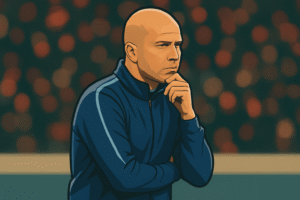
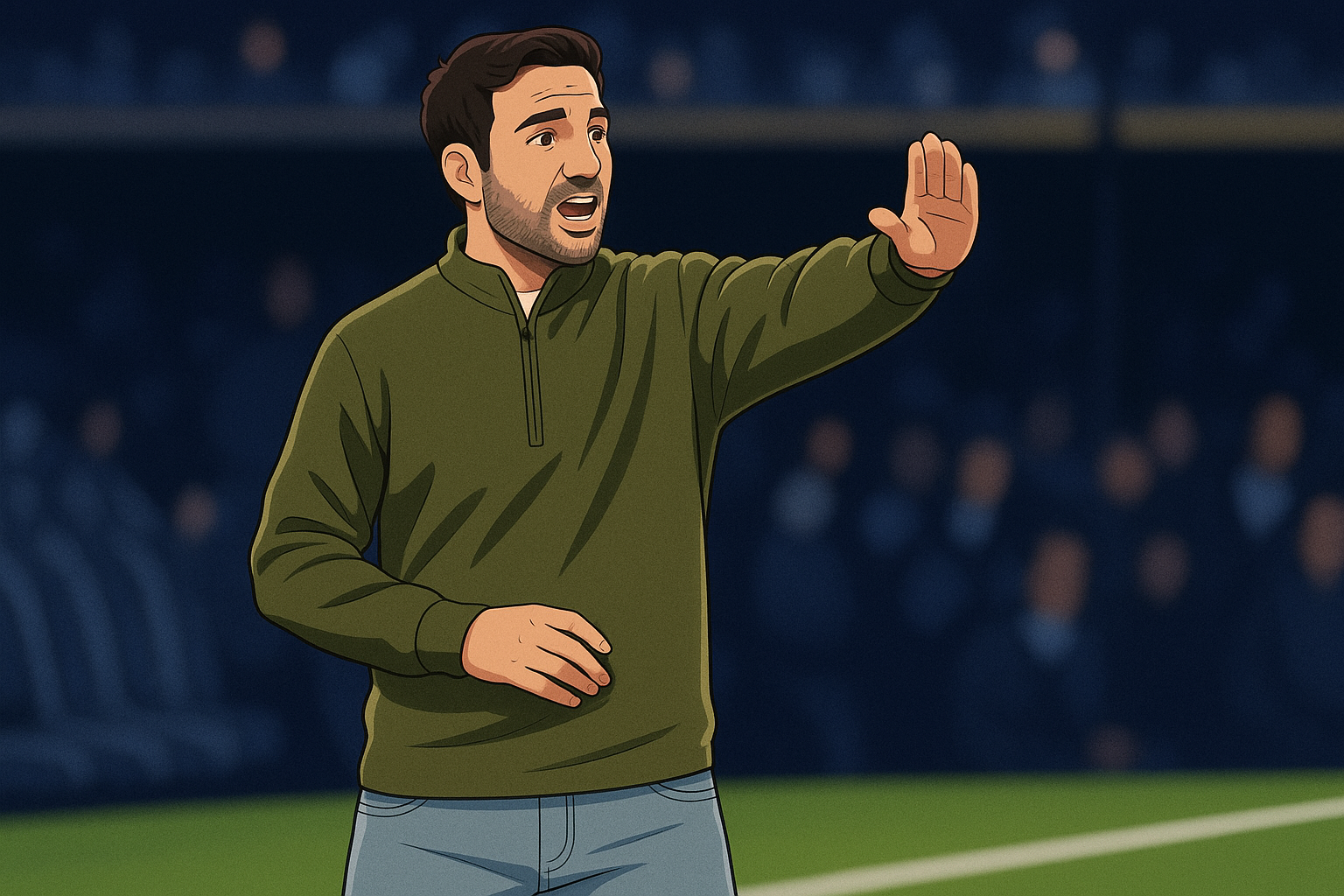
There’s a clear trend emerging in world football — more and more young coaches are being given the chance to prove whether they’re ready for the next step in their careers. But is football itself ready for them? One thing is certain — fascinating times lie ahead for the beautiful game, and it may never be the same again.
The Situation in England
One thing English football has long been missing is high-quality homegrown managers. And this problem didn’t appear overnight. But was it always like this?
Let’s go back 60 or 70 years. One English manager took Ipswich Town from the Third Division all the way to the First Division title — the great Sir Alf Ramsey. He achieved all this in just eight seasons. His success didn’t stop there. In May 1963, he took charge of the England national team and became known as the first “true manager of England” — earning the title for his insistence on full control over player selection rather than leaving decisions to the FA board. His triumph was historic: England’s first and only World Cup title in 1966, followed by a third-place finish at the 1968 European Championship.

Bob Paisley — one of Liverpool’s legendary managers of the 20th century — became the first man to win three European Cups. Add to that six English league titles, three League Cups, and a UEFA Cup. Without question, one of the greatest minds ever to stand on a touchline.
Then there’s Sir Matt Busby — the first English manager to lift the European Cup. His “Busby Babes” became a symbol of perseverance and vision. Even after the tragic Munich air disaster, which claimed many lives, Busby rebuilt Manchester United, leading them to five league titles, two FA Cups, and one European Cup.
We can also mention names like Bobby Robson, Brian Clough, Howard Wilkinson, and Don Revie — English legends who transformed clubs like Derby County, Leeds United, and Nottingham Forest into European forces. England once had a proud tradition of great managers. But those days feel long gone.
Since the birth of the Premier League in 1992, foreign coaches have arrived in waves. Their impact has been overwhelmingly positive — improving the overall quality and global reach of English football. But it may have also slowed the rise of local managerial talent.
The Modern English Coach
Massive foreign investment has taken the Premier League to new heights, but it also shifted the managerial balance. The arrival of visionaries like Arsène Wenger and José Mourinho marked the beginning of a new era — and, in some ways, the decline of the traditional English coaching school. They brought modern training methods, nutrition plans, tactical structures, and a scientific approach to management.
Now, decades later, a new generation of English coaches is starting to rise again.
Eddie Howe and Graham Potter were among the first to lead this new wave. Potter’s tactical ideas were shaped by his time in Scandinavia — fluid, possession-based football with constant movement and positional rotation, often in a 3-4-2-1 system. His teams play dynamic, attacking football with interchanging forwards and clever use of width to create space.
Eddie Howe’s approach, on the other hand, is fast, aggressive, and built on intensity. His 4-3-3 setup (often shifting to a 4-3-2-1) emphasizes pressing, quick transitions, and attacking through pace down the wings. His Newcastle side became known for relentless energy and smart counter-pressing.
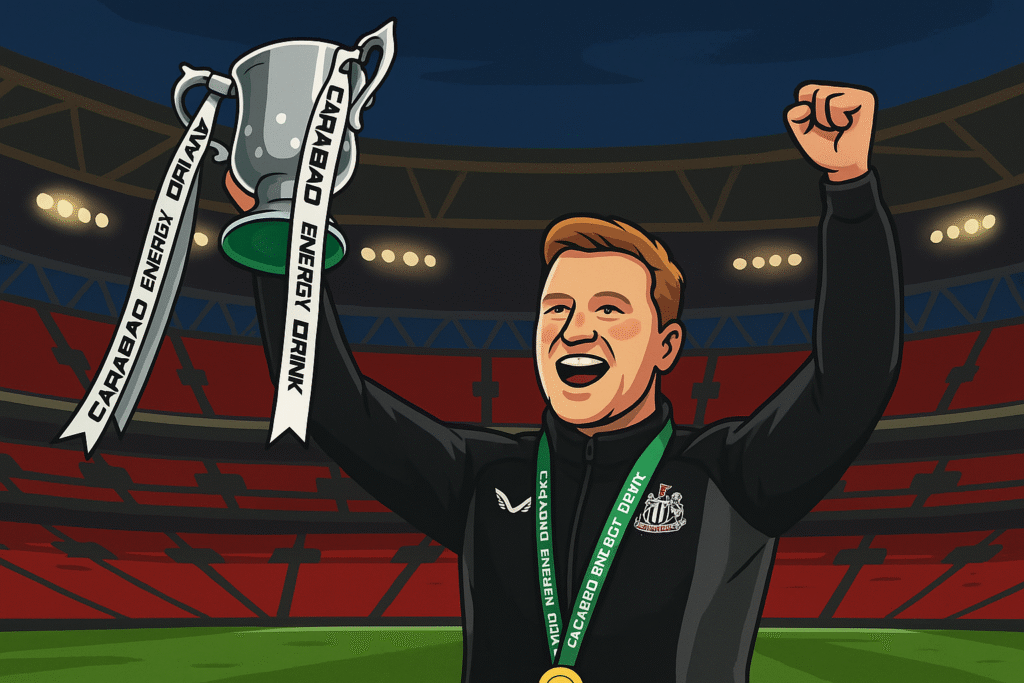
Kieran McKenna is another shining example. He guided Ipswich Town to back-to-back promotions — from League One all the way to the Premier League — a rare feat in modern football.
Frank Lampard, meanwhile, seems to be rebuilding his managerial career at Coventry. His team looks well-drilled, hungry, and destined for promotion. Lampard has always had the right mindset and leadership, and this could finally be the season that redefines him.
Michael Carrick is another name to watch. After laying the groundwork at Middlesbrough, he has shown the potential to become one of England’s most promising tacticians. Rob Edwards, another rising name, now continues the work Carrick started.
On the other hand, Wayne Rooney’s managerial journey has been far less successful. Short-lived and disappointing spells at Derby County, Birmingham, and Plymouth have raised questions about his long-term future in the profession.
Young Minds Across Europe
The average age of Premier League managers today is 48 years and 6 months. In La Liga it’s 50, in the Bundesliga 45, and in Serie A around 50. Across Europe, there’s a clear generational shift taking place — experienced names are being replaced by ambitious young thinkers.
In Italy and Spain, there are currently three managers under 40, while in Germany there are four. The youngest of them all is Carlos Cuesta — Parma’s head coach and former Arsenal staff member. He represents a new breed of modern, analytical coaches trusted to build long-term projects.
The best example of patience paying off is Mikel Arteta at Arsenal. Now entering his sixth season, he’s won one FA Cup and turned Arsenal into a title contender. The big trophy still eludes him, but it increasingly feels like only a matter of time.
At Chelsea, patience is harder to find — but Enzo Maresca seems to have earned the board’s trust. After winning the Europa League and the Club World Cup in his first season, expectations are now sky-high. His task is to guide the Blues back among Europe’s elite.
Arne Slot is another young coach thriving under pressure. He delivered Liverpool’s first league title under his reign and is now facing a more complex second season — one that will test his adaptability and composure.
Elsewhere, Daniel Farke, Andoni Iraola, and Oliver Glasner (though slightly older at 51) are all exceeding expectations with their respective teams. Ruben Amorim, still one of the youngest coaches in the Premier League, continues to enjoy the club’s trust, while Brighton’s Fabian Hürzeler — the youngest manager in the league — perfectly embodies the club’s long-term vision of growth and player development.
In Spain, managers like Alessio Lisci, Iñigo Pérez, and Claudio Giráldez are proving that young coaches can thrive even in mid-table clubs — gaining valuable experience without the overwhelming pressure of top-level expectations.
Perhaps the most impressive story of all is Xabi Alonso. After a record-breaking season with Bayer Leverkusen, winning the domestic double and losing only once all year — in the Europa League final — he earned the Real Madrid job. It wasn’t an easy start, but Los Blancos are beginning to find their rhythm under him.
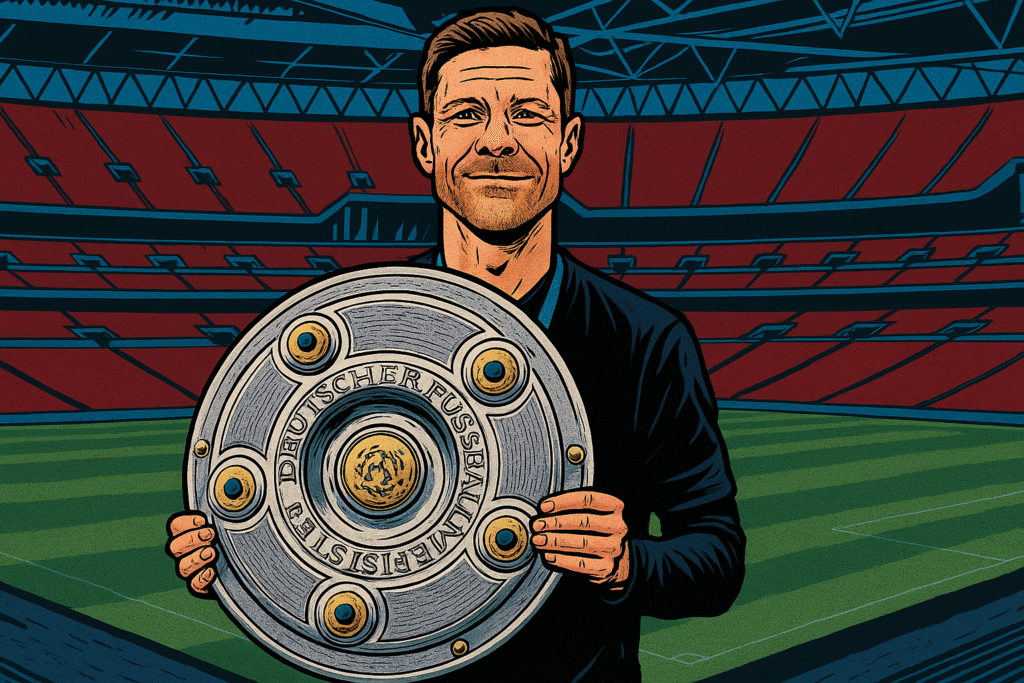
Germany remains the most progressive environment for young coaches. Four of the eighteen Bundesliga managers are under 40 — including Bayern Munich’s Vincent Kompany, who led the team to a league title in his debut season. Ten wins from ten games this year suggest Bayern may dominate again, both domestically and in Europe.
RB Leipzig’s Ole Werner is another bright spot, leading his side to impressive performances despite one heavy defeat to Bayern.
In Italy, the youthful trend continues. Carlos Cuesta’s Parma project is gaining attention, while Alberto Gilardino faces a tough battle at Pisa, currently bottom of Serie A. Meanwhile, Cesc Fàbregas’ Como is thriving — a team that not only survived in the top flight but now pushes for European qualification.
Fàbregas has financial backing, yes, but his footballing mind is unquestionable. Having played under the likes of Wenger, Guardiola, Conte, and Del Bosque, he’s absorbed knowledge from some of the best — and it shows. A Premier League return as a manager seems only a matter of time.
Inter Milan, meanwhile, placed their faith in another club legend — Cristian Chivu. The Romanian now faces the challenge of restoring Inter’s domestic dominance after losing the title to Napoli last season.
The Future Is Bright
Change of generations is natural — in life and in football. The rise of young coaches represents a refreshing new chapter for the sport. The coming years promise excitement, innovation, and fresh ideas that will shape football’s future. The game we know is evolving — and it’s in good hands.